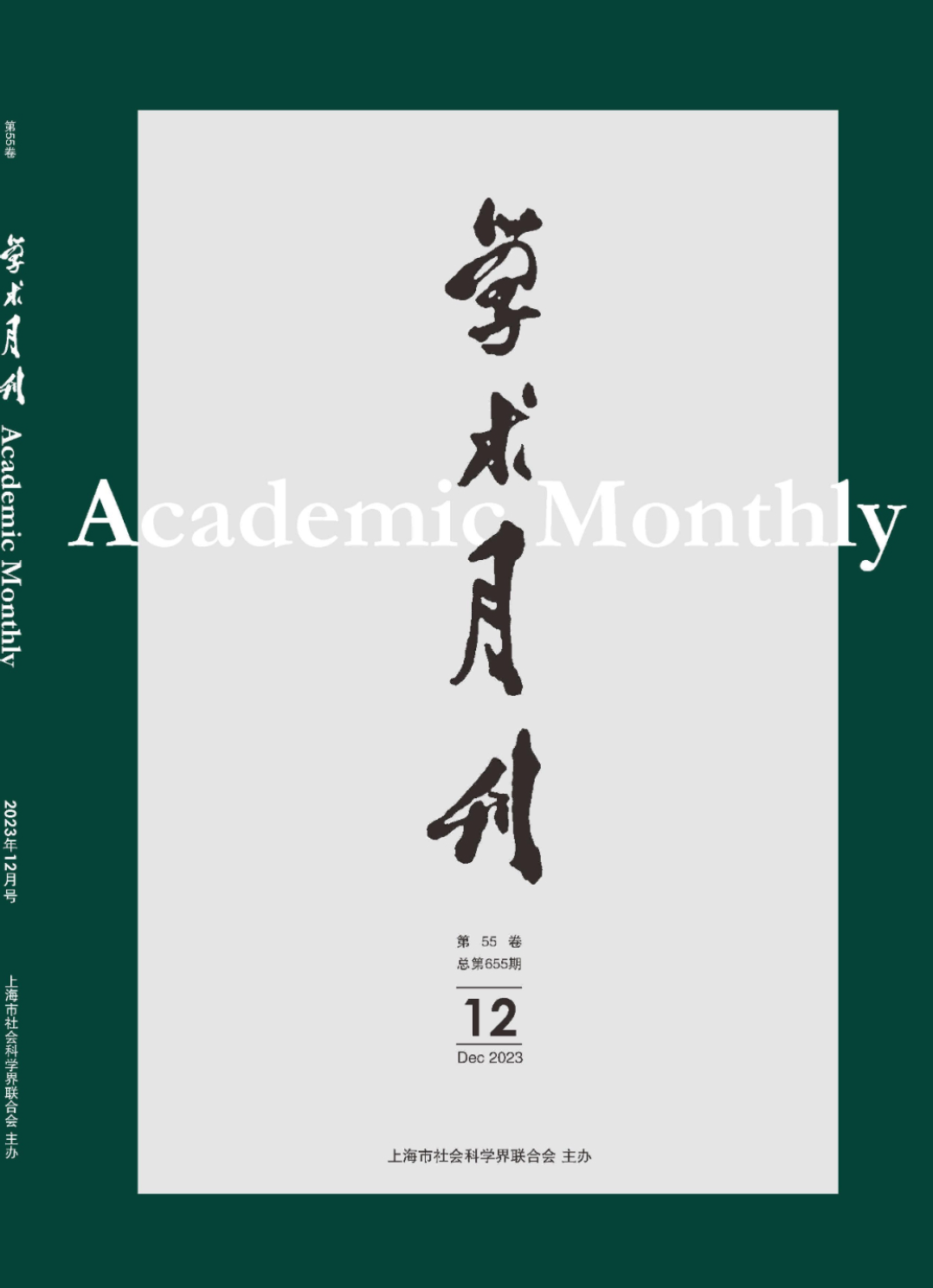
Reading Plato beyond a single model
Plato’s account of emotions should not be reduced to a timeless opposition between reason and passion. This article traces its development across a range of dialogues and argues that the Republic does not represent the final position of his emotional psychology.
Gao Yuan examines the movement from a pronounced soul-body distinction to the tripartite soul, and then to a more constructive account of emotional functions. The study connects these changes with ethical education, political order and the pursuit of the good.
Epic emotions and philosophical questions
The article begins with the emotional worlds of Homer and Hesiod. Desire, anger, jealousy and other passions appear in the lives of both heroes and gods. These narratives offer an important background to Plato’s inquiry into the relationship between emotions, rational judgement and ethical conduct.
Early Greek natural philosophy supplies a different set of resources: questions about unity and plurality, change and permanence, and the foundations of reality. Gao brings these strands together to explain the intellectual background to Plato’s developing philosophy of the soul and emotions.
From soul-body distinction to the tripartite soul
The soul and the demands of bodily life
In its account of the Phaedo, the study considers the sharp distinction between soul and body. Bodily desires and pleasures can obstruct the pursuit of knowledge, making purification and philosophical discipline central to the argument.
Reason, spirit and appetite
The Republic supplies a more differentiated psychology through the distinction between reason, spirit and appetite. Emotional conflict is thereby examined within the soul, rather than only through an opposition between soul and body.
A dynamic account of interaction
Gao Yuan argues that the tripartite structure is not merely a static list of faculties. The parts have relative independence while also constraining and influencing one another. The article describes this through a model of three interacting internal circuits, connecting psychological organisation with Plato’s account of social and political order.
The constructive possibilities of emotion
The article examines the Phaedrus, Philebus, Timaeus and Laws to explore developments beyond the Republic. It argues that Plato increasingly recognises the positive functions and evaluative capacities of emotional life.
Love, beauty and philosophical aspiration
The discussion of the Phaedrus considers how love and certain forms of divine madness may direct the soul towards beauty and wisdom. Emotional movement can therefore become a resource for philosophical aspiration rather than simply an obstacle.
Education and rational direction
In the Timaeus and Laws, the study considers a wider range of emotional phenomena, including pleasure, pain, fear, confidence and other dispositions relevant to ethical and civic life. Their significance depends on how they are educated and directed.
A developmental interpretation of emotional psychology
Reconstructing the historical argument
The study reads Plato’s emotional philosophy through its development across dialogues, resisting an account based exclusively on the Republic or on a uniformly negative attitude towards passions.
Interpreting psychological structure dynamically
Its distinctive proposal is to understand the tripartite soul through interaction, relative independence and mutual constraint. This highlights connections between emotional psychology, ethical cultivation and political organisation.
Clarifying continuity within transformation
The positive reassessment of emotion is presented as a development within rationally directed philosophical life. The article thus distinguishes constructive emotional functions from the claim that reason loses its governing role.
Tracing a philosophical legacy
The conclusion considers the significance of Platonic resources for Stoic, Aristotelian and Augustinian approaches to passions, virtue and spiritual life. These connections form the author’s broader interpretation of Plato’s contribution to the Western philosophical tradition of emotions.
Cite the original article
Chinese title:
柏拉图情感哲学的历史生成与理论转型
English title printed in the article:
The Theoretical Development and the Renewal of Plato’s
Philosophy of Emotions
Cite this overview
Cite the original article for its arguments and textual evidence. When using this overview, acknowledge the author and this page.
Copyright & citation policy ↗