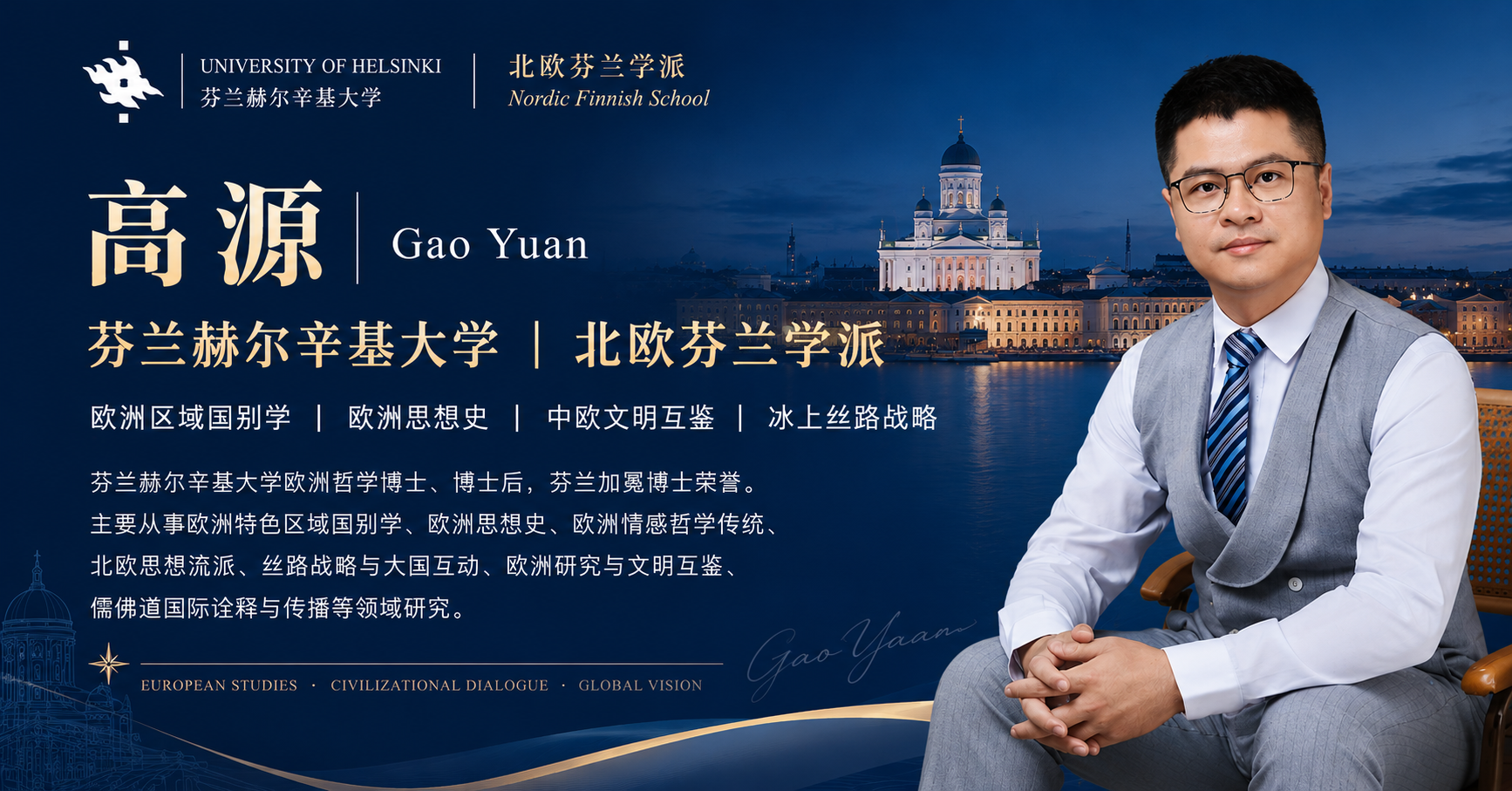
Emotions in the history of European thought
Emotions are central to philosophical questions about the self, virtue, judgement and the good life. This course examines how European thinkers have explained their origins, assessed their moral significance and explored possibilities for their transformation.
The course begins with Plato and Aristotle, before turning to Neoplatonic and Stoic approaches to the soul and its care. It then considers the encounter between Greek and biblical traditions, Augustine’s accounts of love and moral psychology, and the historical and philosophical questions raised by Freud’s psychoanalysis.
Designed for students across disciplines, the course combines historical understanding with close reading and critical discussion. It connects the philosophy of emotions with ethics, philosophical psychology and the intellectual history of medicine.
What students will learn
On completing the course, students should be able to:
- Outline major developments in European philosophical accounts of emotions and their relationship to later psychological thought.
- Explain central questions and methods in the study of emotions and moral psychology.
- Read and interpret selected primary philosophical texts.
- Compare arguments across historical periods and intellectual traditions.
- Connect philosophical questions about emotions with their own disciplinary studies.
- Develop and communicate a reasoned position through discussion, oral presentation and written work.
Four themes, eleven sessions
Theme I · Classical foundations
Plato: emotions and the structure of the soul
Early, middle and later accounts of emotions; the development of models of the soul; and the tensions within Plato’s philosophical psychology.
Aristotle: emotions, virtue and practical life
The structure of the soul, readings from the Nicomachean Ethics and Politics, and the practical significance of emotions.
Seminar I: Plato and Aristotle in dialogue
Close reading, student presentations and debate on continuity and difference between the two thinkers.
Theme II · The care of the soul
Neoplatonism: the soul and ideals of life
Plotinus’ account of the soul, the medical ideas discussed in relation to Neoplatonic psychology, and philosophical approaches to emotional life.
Stoicism: emotions and philosophical therapy
Major Stoic thinkers, accounts of the soul, the relationship between philosophy and medicine, and the strengths and limits of Stoic approaches to emotions.
Seminar II: philosophical therapy and medicine
Discussion of the connections and distinctions between caring for the soul and medical explanations of emotional life.
Theme III · Augustine and the medieval inheritance
Greek and biblical traditions in encounter
Historical contexts in which inherited accounts of emotions and their value were reconsidered and transformed.
Augustine: two cities and two loves
Augustine’s moral psychology, its classical sources, Neoplatonic and Stoic connections, and its influence on medieval thought.
Seminar III: love, evil and the transformation of emotions
The meaning of love, the origins of evil, and the relationship between emotional transformation and the two cities.
Theme IV · Modern transformations and psychoanalysis
Freud: desire, the unconscious and psychoanalysis
Freud’s intellectual context, accounts of the unconscious, the id, ego and superego, the interpretation of dreams, and the philosophical significance of psychoanalysis.
Seminar IV: philosophical traditions and psychoanalysis
Student presentations and discussion connecting the historical study of emotions with modern psychoanalytic questions, alongside submission of the final assignment.
Reading, dialogue and argument
Teaching combines lectures, guided primary-text reading, discussion, student presentations and debate. Students practise both introductory reading and detailed interpretation of selected passages, before developing their own arguments.
Assessment evaluates engagement with readings, understanding of concepts, the use of evidence and the clarity of argument. Task details and submission arrangements are provided for each course offering.