From the formation of subjects
to the work of the self
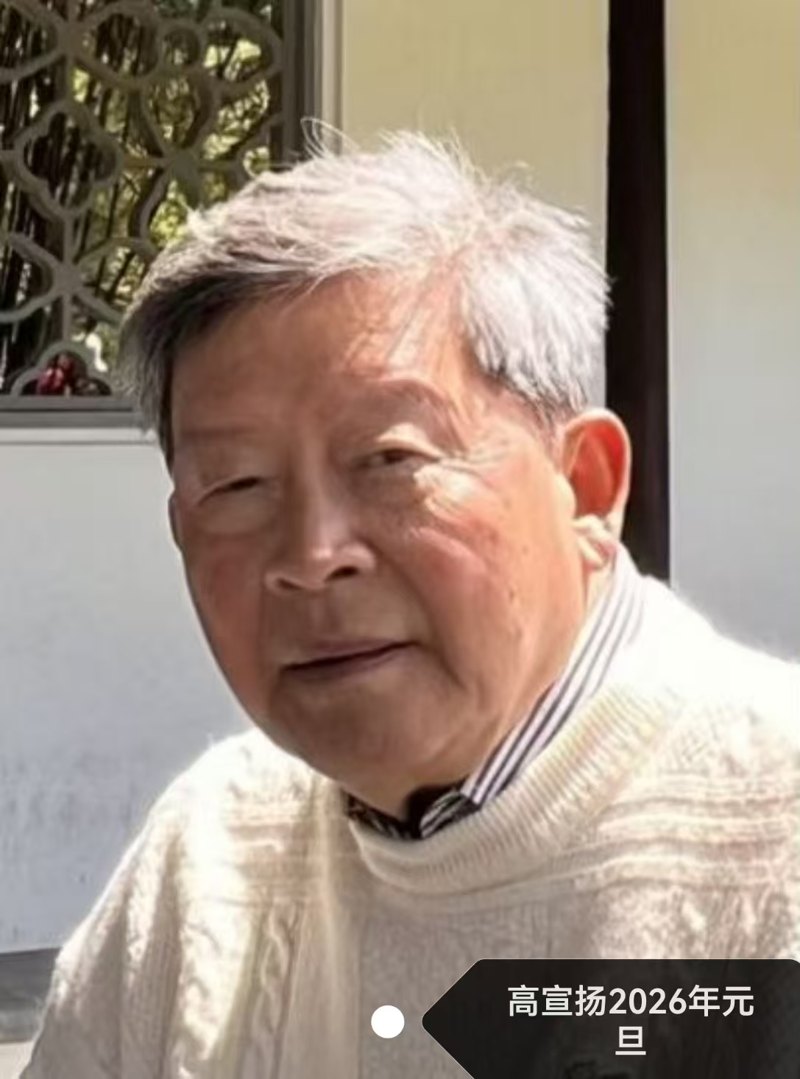
Gao Xuanyang reads Foucault’s later attention to ethical life as connected with his earlier investigations of power and knowledge. The emphasis moves towards the possibilities of acting upon oneself within the historical conditions through which one has already become a subject.
In this account, the self is approached through practices and relationships rather than treated as an independent starting point. Questions about truth, authority and ethical conduct meet in the ways people understand and transform their own lives. The later work therefore extends the critical inquiry into subject formation by examining what people may do with themselves.
A subject formed
through relationships and practice
The interview distinguishes ethical self-formation from the discovery of an unchanging inner identity. Gao Xuanyang emphasises that subjects emerge within relations to themselves and to others, and develop through activities that take place over time. The person doing the examining and the person being examined never become wholly identical.
His discussion connects ethical life with the aspects of oneself that become morally significant, the grounds of obligation, the work of transformation and the kind of life towards which that work is directed. It also introduces an important qualification: practices directed at the self may operate within systems of authority. Their presence alone does not establish freedom.
Relation
Understanding the self through its relations, rather than as an isolated substance.
Practice
Attending to the activities through which a person takes shape over time.
Openness
Recognising the limits of complete or final self-knowledge.
Giving form
to a way of living
For Gao Xuanyang, the appeal of Foucault’s aesthetics of existence lies in its bearing on lived experience. His response associates aesthetic practice with an ability to step back from exclusively instrumental purposes, to reshape established ways of living, and to keep a sense of possibility alive.
Beauty is discussed in connection with the changing relationships between a person, other people and the surrounding world. The emphasis falls on the quality of these relationships and on the dignity of a life that is more than a set of functions. The interview presents aesthetics as a practical orientation through which living can acquire meaning and direction.
A philosophy that invites
diagnosis and self-examination
Gao Xuanyang cautions against turning Foucault’s familiar concepts into ready-made explanations. On his reading, philosophical criticism calls for attention to particular situations and to the reader’s own assumptions; it cannot simply supply authority for an answer decided in advance.
He connects this approach with his own changing experience of reading Foucault after arriving in France. Ideas that initially seemed difficult became questions to be confronted in everyday existence. The interview closes this discussion by bringing philosophical reading into contact with the ongoing task of examining how one lives.